
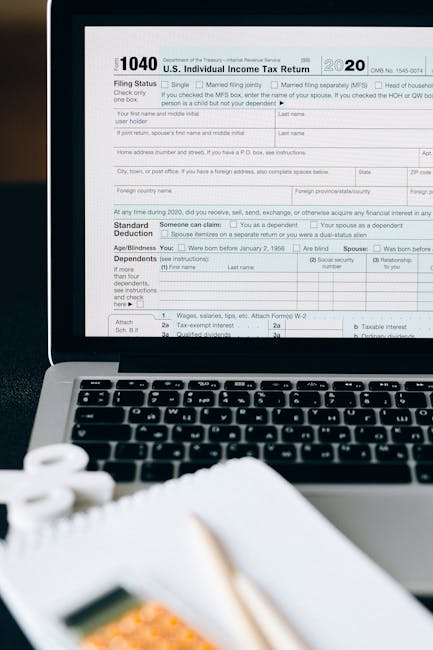
Running an online business means managing a constant flow of digital transactions, from customer payments and platform fees to software subscriptions and marketing expenses. Trying to keep track of this with a simple spreadsheet is a recipe for disaster. It’s inefficient, prone to costly errors, and can turn tax season into a nightmare. The solution is dedicated accounting software. These essential tools automate your bookkeeping, simplify tax preparation, and provide a clear, real-time understanding of your business’s financial health.
What to Look For in Accounting Software
When choosing a platform, focus on these key areas for your online business:
- Cloud-Based Access: You need to be able to access your financial data from anywhere, on any device. All modern accounting software is cloud-based.
- Key Features: Look for robust invoicing, automatic expense tracking by linking your bank accounts, integration with payment gateways like Stripe and PayPal, and easy-to-understand financial reporting (like Profit & Loss statements).
- Scalability: The software should be able to grow with you, from a simple freelance operation to a larger e-commerce store with inventory and payroll needs.
The Best Accounting Software for 2025
1. QuickBooks Online – The Industry Standard
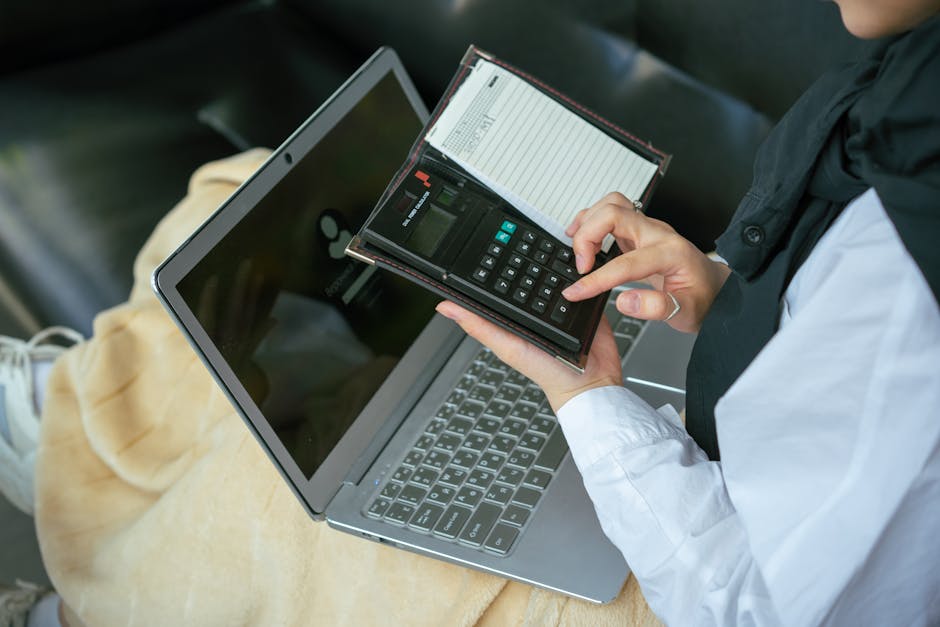
QuickBooks is the most popular and widely-used accounting software for small businesses in the US, and for good reason. It is incredibly powerful, feature-rich, and is the platform that most accountants and bookkeepers are trained on, which makes collaboration seamless. It can handle everything from simple freelance invoicing to complex inventory management for e-commerce stores. Its reporting features are comprehensive, and it has the largest ecosystem of third-party app integrations.
Best For: Almost any type of small business, from solo entrepreneurs to growing e-commerce brands.
2. Xero – The Best for Unlimited Users
Xero is a beautiful and powerful competitor to QuickBooks, beloved for its clean interface and strong feature set. Its key differentiator is its pricing model: all Xero plans, including the least expensive, include unlimited users. This makes it an extremely cost-effective choice for businesses with a growing team where multiple people may need access to the financial data. Its mobile app is also one of the best in the business.
Best For: Businesses with multiple partners or team members who need access to the accounting software.
3. FreshBooks – The Best for Freelancers and Service-Based Businesses
FreshBooks began its life as a simple invoicing tool and has since evolved into a full-fledged accounting platform designed specifically with freelancers and service-based businesses in mind. Its invoicing, time tracking, and proposal-creation features are best-in-class. If your business revolves around billing for your time and expertise, FreshBooks is built for your exact workflow.
Best For: Freelancers, consultants, creative agencies, and any business that primarily bills clients for time and services.
4. Wave – The Best Free Option
Wave offers a surprisingly robust and genuinely free accounting platform. You can create and send professional invoices, track your income and expenses, scan receipts, and run financial reports without paying a monthly subscription fee. It’s a remarkable offering. Wave makes its money by charging for optional, integrated services like payment processing (a standard per-transaction fee to let clients pay your invoices with a credit card) and payroll services.
Best For: New freelancers, solopreneurs, and very small businesses with simple accounting needs who are on a tight budget.
5. Zoho Books – The Best for Zoho Users
For businesses that are already using other products from the vast Zoho ecosystem (like Zoho CRM), choosing Zoho Books is a no-brainer. It integrates seamlessly with Zoho’s other 50+ business apps, creating a single, unified platform for managing your sales, marketing, support, and finances. Its workflow automation capabilities are also extremely powerful.
Best For: Businesses that are already invested in or plan to use the Zoho ecosystem of applications.
For more on Zoho, see our review of the 7 Best CRM Tools for Small Businesses.
Accounting Software Comparison
| Software | Best For | Key Feature | Free Plan | Starting Price |
|---|---|---|---|---|
| QuickBooks Online | Most Businesses | Comprehensive Features | ✖ (Trial) | ~$30/mo |
| Xero | Growing Teams | Unlimited Users | ✖ (Trial) | ~$15/mo |
| FreshBooks | Freelancers | Excellent Invoicing | ✖ (Trial) | ~$17/mo |
| Wave | Budget-Conscious | Free Accounting | ✔ | Free |
| Zoho Books | Zoho Users | Ecosystem Integration | ✔ (Limited) | Free |
The Verdict: Your Business’s Financial Command Center
Good accounting software is not an expense; it’s a critical investment in your business. It saves you countless hours of manual work, reduces the risk of costly errors, and provides the financial insights you need to make smart decisions and grow your business. Choosing the right platform depends on your business type and budget, but any of the options on this list will provide a solid financial foundation.
- For Most Businesses: QuickBooks Online is the industry standard for a reason.
- For Service-Based Freelancers: FreshBooks is tailored to your exact needs.
- For the Best Free Option: Wave offers incredible power at no cost.